AI & ML interests

None defined yet.

Recent Activity

ajibawa-2023ย 
posted an update 2 days ago
view post
Post
2184
C-Code-Large
Dataset: ajibawa-2023/C-Code-Large

C-Code-Large is a large-scale corpus of C programming language source code comprising more than 4 million code samples stored in .jsonl format. The dataset is designed to support research and development in large language model (LLM) pretraining, static analysis, and software engineering automation for the C ecosystem.

By offering a high-volume, language-focused dataset, C-Code-Large enables targeted experimentation in low-level programming, memory-constrained environments, and performance-critical systems, where C continues to be a dominant language.

C-Code-Large addresses the lack of large, curated, C-specific datasets, making it possible to conduct focused research on procedural programming paradigms, manual memory management, and system-level abstractions.

ajibawa-2023ย 
posted an update 15 days ago
view post
Post
3745
Cpp-Code-Large
Dataset: ajibawa-2023/Cpp-Code-Large

Cpp-Code-Large is a large-scale corpus of C++ source code comprising more than 5 million lines of C++ code. The dataset is designed to support research in large language model (LLM) pretraining, code intelligence, software engineering automation, and static program analysis for the C++ ecosystem.

By providing a high-volume, language-specific corpus, Cpp-Code-Large enables systematic experimentation in C++-focused model training, domain adaptation, and downstream code understanding tasks.

Cpp-Code-Large addresses the need for a dedicated C++-only dataset at substantial scale, enabling focused research across systems programming, performance-critical applications, embedded systems, game engines, and large-scale native software projects.
  • 3 replies
ยท
ajibawa-2023ย 
posted an update 20 days ago
view post
Post
3485
Python-Code-Large
Dataset: ajibawa-2023/Python-Code-Large

Python-Code-Large is a large-scale corpus of Python source code comprising more than 2 million rows of Python code. The dataset is designed to support research in large language model (LLM) pretraining, code intelligence, software engineering automation, and program analysis for the Python ecosystem.

By providing a high-volume, language-specific corpus, Python-Code-Large enables systematic experimentation in Python-focused model training, domain adaptation, and downstream code understanding tasks.

Python-Code-Large addresses the need for a dedicated Python-only dataset at substantial scale, enabling focused research across data science, backend systems, automation, scientific computing, and AI-driven Python environments.
  • 1 reply
ยท
ajibawa-2023ย 
posted an update 24 days ago
view post
Post
2571
PHP-Code-Large

Dataset: ajibawa-2023/PHP-Code-Large

PHP-Code-Large is a large-scale corpus of PHP source code comprising more than 12 million lines of PHP code. The dataset is designed to support research in large language model (LLM) pretraining, code intelligence, software engineering automation, and static program analysis for the PHP ecosystem.

By providing a high-volume, language-specific corpus, PHP-Code-Large enables systematic experimentation in PHP-focused model training, domain adaptation, and downstream code understanding tasks.

PHP-Code-Large addresses the need for a dedicated PHP-only dataset at substantial scale, enabling focused research across backend systems, CMS platforms, APIs, and full-stack PHP environments.
ajibawa-2023ย 
posted an update 29 days ago
view post
Post
3254
JavaScript-Code-Large
ajibawa-2023/JavaScript-Code-Large

JavaScript-Code-Large is a large-scale corpus of JavaScript source code comprising around 5 million JavaScript files. The dataset is designed to support research in large language model (LLM) pretraining, code intelligence, software engineering automation, and program analysis for the JavaScript ecosystem.

By providing a high-volume, language-specific corpus, JavaScript-Code-Large enables systematic experimentation in JavaScript-focused model training, domain adaptation, and downstream code understanding tasks.

JavaScript-Code-Large addresses the need for a dedicated JavaScript-only dataset at substantial scale, enabling focused research across frontend, backend, and full-stack JavaScript environments. .
ajibawa-2023ย 
posted an update about 1 month ago
view post
Post
3134
Java-Code-Large ( ajibawa-2023/Java-Code-Large)

Java-Code-Large is a large-scale corpus of publicly available Java source code comprising more than 15 million java codes. The dataset is designed to support research in large language model (LLM) pretraining, code intelligence, software engineering automation, and program analysis.

By providing a high-volume, language-specific corpus, Java-Code-Large enables systematic experimentation in Java-focused model training, domain adaptation, and downstream code understanding tasks.
efecelikย 
posted an update about 1 month ago
view post
Post
3070
The moment we've been waiting for โ€” ACE-Step dropped their new model: Ace-Step 1.5 ๐ŸŽ‰
๐Ÿ”— ACE-Step/Ace-Step1.5
And the best part? It's released under the MIT license.
We've already started integrating it into our project. Let's go ๐Ÿš€
  • 1 reply
ยท
efecelikย 
posted an update about 2 months ago
view post
Post
1377
๐ŸŽฎ Introducing: Paper Popularity Game

Think you know which AI papers go viral? Test your instincts!
I built a little game where you try to guess the popularity of AI research papers from the Hugging Face Daily Papers feed.

How it works:
You'll see two papers side by sideโ€”read the titles, check the abstracts, and pick which one you think got more upvotes from the HF community.

It's a great way to discover trending AI research while having fun.
Tests your intuition about what the ML community finds interesting.

Try it out:
efecelik/paper-popularity-game
Would love to hear your high scores and feedback!

efecelikย 
posted an update about 2 months ago
efecelikย 
posted an update about 2 months ago
view post
Post
638
Having multiple perspectives helps me create more diverse, innovative projects but without deep mastery in one area, I never feel truly satisfied.

What's the better investment: going deep in one field, or staying broad across many?
  • 2 replies
ยท
efecelikย 
posted an update 2 months ago
view post
Post
2537
My First MCP Server: DataView
Browse HuggingFace datasets directly from your AI assistant.
-Search & filter datasets
-View rows & stats
-SQL queries & Parquet export
efecelik/dataview-mcp
efecelikย 
posted an update 2 months ago
view post
Post
252
We Built a Music App with ACE-Step โ€“ Looking for Feedback

Hey everyone,

We've been building AceSteps โ€“ a platform where anyone can create music using the ACE-Step model ( ACE-Step/ACE-Step-v1-3.5B). You can mint your tracks as NFTs, tokenize them into 100,000 fractional shares, and trade them on Uniswap V4. When your song gets popular, token holders earn from ad revenue automatically. It's a Farcaster Mini-App on Base Network.

But we want to make it better, and we'd love your input:

What's the one feature that would make you actually use an AI music tool regularly?
Andd any suggestions on how we can make this model better? Actually sharing here for this question. ๐Ÿค—

Any feedback, ideas, or critiques are welcome.
๐Ÿ”— https://docs.acesteps.com/
๐Ÿ”— https://docs.acesteps.com/pitch-deck.html
๐Ÿ”— https://farcaster.xyz/?launchFrameUrl=https%3A%2F%2Fwww.acesteps.com%2F
๐Ÿ”— https://www.acesteps.com
efecelikย 
posted an update 2 months ago
view post
Post
2320
why ACE-Step model isn't popular that much? imo it makes really good music.
ACE-Step/ACE-Step-v1-3.5B
  • 2 replies
ยท
KingNishย 
posted an update 3 months ago
view post
Post
3244
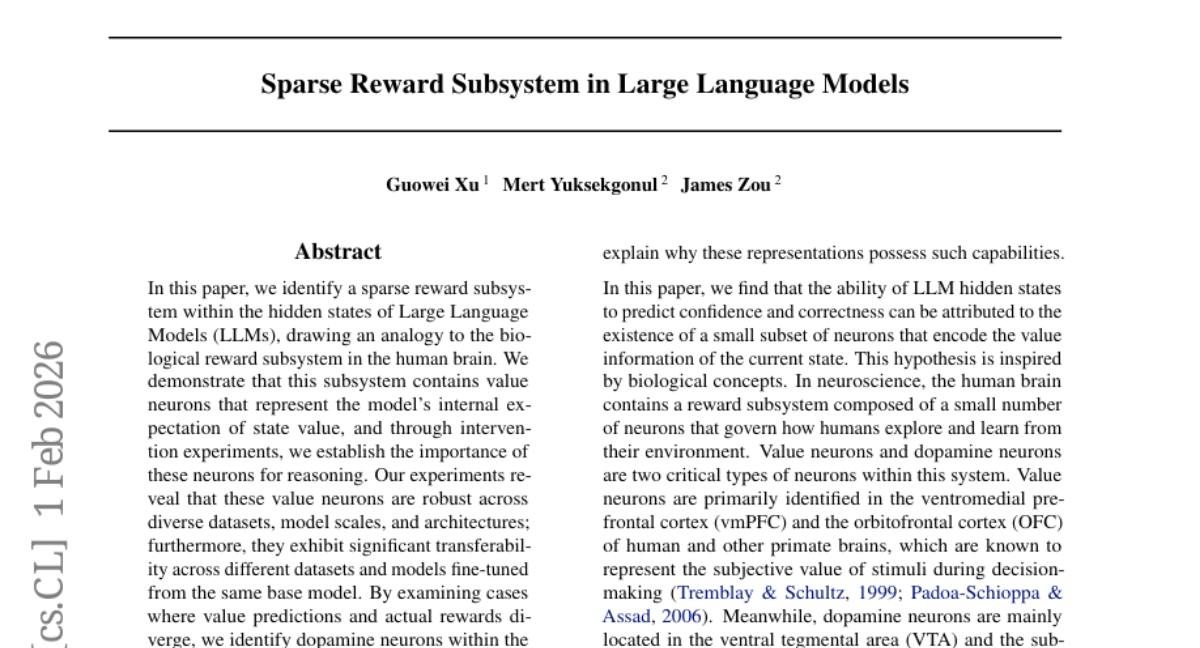
Muon vs MuonClip vs Muon+Adamw

Muon has gone from an experiment to a mainstream optimizer, but does it hold up for fineโ€‘tuning? We ran headโ€‘toโ€‘head tests on Qwen3โ€‘4B (10k+ highโ€‘quality instruction rows) to find out.

Short story: Pure Muon converged fastest at the start, but its gradientโ€‘norm spikes made training unstable. MuonClip (Kimi K2โ€™s clipping) stabilizes long pretraining runs, yet in our smallโ€‘scale fineโ€‘tune it underperformed, lower token accuracy and slower convergence. The winner was the hybrid: Muon for 2D layers + AdamW for 1D layers. It delivered the best balance of stability and final performance and even beat vanilla AdamW.

Takeaway: for small-scale fine-tuning, hybrid = practical and reliable.

Next Step: scale to larger models/datasets to see if Muonโ€™s spikes become catastrophic or if clipping wins out.

Full Blog Link: https://huggingface.co/blog/KingNish/optimizer-part1
KingNishย 
posted an update 3 months ago
nouamanetaziย 
posted an update 5 months ago
view post
Post
4581
After training ๐’๐ฆ๐จ๐ฅ๐‹๐Œ๐Ÿ‘ on ๐Ÿ‘๐Ÿ–๐Ÿ’ ๐‡๐Ÿ๐ŸŽ๐ŸŽ๐ฌ for nearly a month, I've come to realize something most people overlook: ๐ข๐ง๐Ÿ๐ซ๐š๐ฌ๐ญ๐ซ๐ฎ๐œ๐ญ๐ฎ๐ซ๐ž ๐ข๐ฌ ๐ญ๐ก๐ž ๐ฆ๐š๐ค๐ž-๐จ๐ซ-๐›๐ซ๐ž๐š๐ค ๐Ÿ๐š๐œ๐ญ๐จ๐ซ ๐ข๐ง ๐‹๐‹๐Œ ๐ญ๐ซ๐š๐ข๐ง๐ข๐ง๐ . ๐Ÿ”ฅ

Everyone talks about model architecture and data quality. And yes, those matter immensely. But here's what nobody tells you: when your training run fails at 2 AM because of mysterious ๐๐‚๐‚๐‹ ๐ž๐ซ๐ซ๐จ๐ซ๐ฌ, or when your expensive GPU cluster is running at ๐Ÿ”๐ŸŽ% ๐ž๐Ÿ๐Ÿ๐ข๐œ๐ข๐ž๐ง๐œ๐ฒ, the problem isn't your model. It's most probably a ๐ฆ๐ข๐ฌ๐ฎ๐ฌ๐ž ๐จ๐Ÿ ๐ญ๐ก๐ž ๐ก๐š๐ซ๐๐ฐ๐š๐ซ๐ž. ๐Ÿ› ๏ธ

Questions that seemed simple but had no clear answers: Why is ๐Œ๐จ๐„ ๐ญ๐ซ๐š๐ข๐ง๐ข๐ง๐  ๐ฌ๐ฅ๐จ๐ฐ๐ž๐ซ ๐ญ๐ก๐š๐ง ๐๐ž๐ง๐ฌ๐ž ๐ฆ๐จ๐๐ž๐ฅ๐ฌ? Which ๐๐‚๐‚๐‹ ๐Ÿ๐ฅ๐š๐ ๐ฌ should we actually set? How often should we checkpoint without killing throughput?

That's why we built ๐“๐ก๐ž ๐’๐ฆ๐จ๐ฅ ๐“๐ซ๐š๐ข๐ง๐ข๐ง๐  ๐๐ฅ๐š๐ฒ๐›๐จ๐จ๐ค ๐Ÿ“–: a complete guide covering everything from model architecture and data curation to the SmolLM3 training marathon, post-training techniques, and crucially, the ๐ข๐ง๐Ÿ๐ซ๐š๐ฌ๐ญ๐ซ๐ฎ๐œ๐ญ๐ฎ๐ซ๐ž ๐ฅ๐š๐ฒ๐ž๐ซ that most teams get wrong.

We validated real vs theoretical bandwidth across the entire stack: ๐‡๐๐Œ๐Ÿ‘ ๐ก๐ข๐ญ๐ญ๐ข๐ง๐  ๐Ÿ‘ ๐“๐/๐ฌ, ๐๐•๐‹๐ข๐ง๐ค ๐Ÿ’.๐ŸŽ ๐ซ๐ž๐š๐œ๐ก๐ข๐ง๐  ๐Ÿ•๐Ÿ–๐Ÿ” ๐†๐/๐ฌ, ๐๐‚๐ˆ๐ž ๐†๐ž๐ง๐Ÿ’ ๐š๐ญ ๐Ÿ๐Ÿ’.๐Ÿ ๐†๐/๐ฌ. Then we ran collective operations across ๐Ÿ๐Ÿ๐Ÿ– ๐†๐๐”๐ฌ (16 nodes, 8xH100s each) and measured how performance degrades at scale: all-reduce drops from ๐Ÿ’๐Ÿ–๐ŸŽ ๐†๐/๐ฌ on a single node to ๐Ÿ‘๐Ÿ๐ŸŽ-๐Ÿ‘๐Ÿ“๐ŸŽ ๐†๐/๐ฌ across 16 nodes.

If you've ever wondered why your training runs are slower than they should be, or you're planning to scale up and want to avoid expensive mistakes, this guide might save you weeks of debugging.

๐“๐ก๐ž ๐’๐ฆ๐จ๐ฅ ๐“๐ซ๐š๐ข๐ง๐ข๐ง๐  ๐๐ฅ๐š๐ฒ๐›๐จ๐จ๐ค: https://lnkd.in/e5MKXUHS

Shared with โค๏ธ by the HuggingFace team
KingNishย 
posted an update 8 months ago